
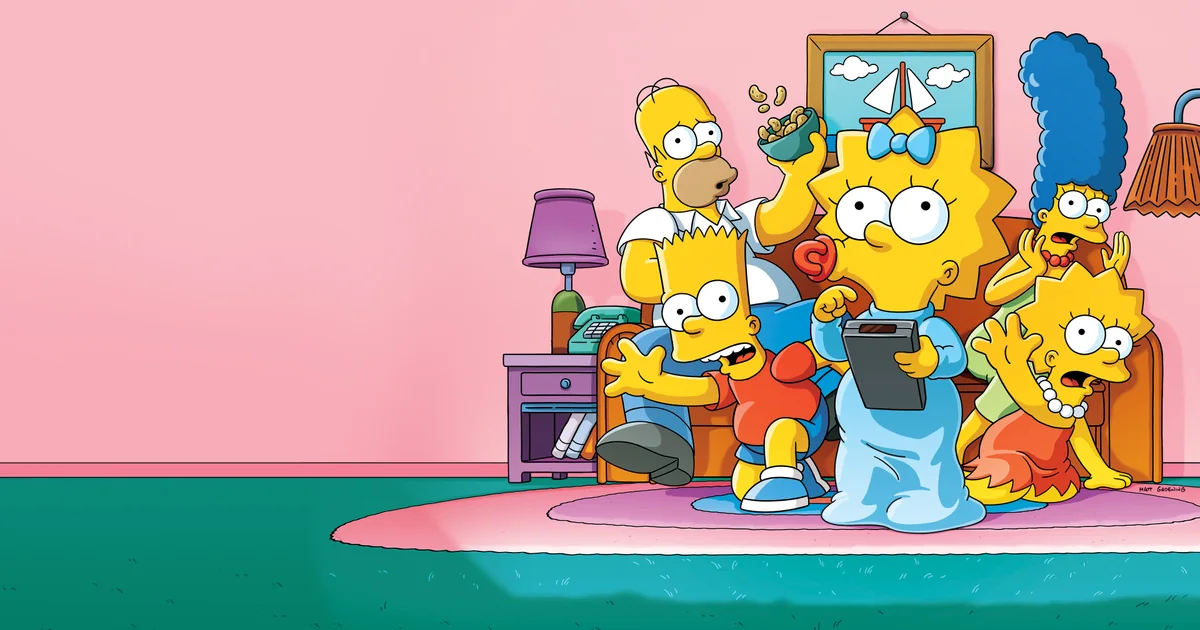
One flatmate has opened Netflix, another has quietly started searching BBC iPlayer, and the person holding the remote keeps saying they are happy with anything. To stop arguing about what to watch, agree on the limits first, let everyone choose privately, then use the overlap as the shortlist. It is less dramatic than a sofa referendum and considerably more likely to end with opening credits.
Why does choosing a film turn into an argument?
The disagreement is rarely just about one film. It is about energy, time, fairness and the suspicion that the same person compromised last Saturday. Someone wants a sharp thriller. Someone else has enough tension from the Northern line. A third person says they do not care, then rejects every suggestion with the speed of a talent-show judge.
Public suggestions make the problem worse because every title arrives with an owner. The person who names it has to defend the trailer, runtime and leading actor, while everyone else only has to spot a flaw. The room starts judging the pitch rather than the film. By the time a title survives, nobody wants to reward it for causing so much paperwork.
This is still an ordinary household decision, not a relationship crisis. The useful principle is the same one found in the NHS guide to healthy communication and managing conflict: listen properly, separate facts from assumptions and come back calmer if the conversation has stopped being useful. Film night should not need counselling, but it can borrow the sensible bits.
Set the boundaries before anyone names a title
Begin with facts the whole room can accept. Which services are available? How late can the night run? Is this a film evening or could a series work? Are children watching? Does anyone have a firm no to horror, subtitles or a three-hour historical epic? These decisions remove unsuitable options without making anybody defend their taste.
- Choose only the services the household can open tonight.
- Set a latest finish time before a 164-minute film looks strangely reasonable.
- Agree on one broad mood, not a list of twelve increasingly specific exceptions.
- Let each person make private yes-or-no choices with no commentary from the sofa.
- Treat the shared result as a shortlist, not the first round of another debate.
The UK streaming services overview lists the services currently supported for the region, including BBC iPlayer, ITVX, NOW, Channel 4 and the larger subscription platforms. The UK getting-started guide covers account setup and service selection. Sort those practical limits before browsing, and half the objections disappear before they become personal.
Private swipes make the choice fairer
MatchWatch asks each person to respond on their own screen. Nobody has to announce that they fancy the daft comedy, and nobody has to explain why the award-winning drama feels like homework tonight. Individual swipes stay private. A title becomes visible as a group match only when enough separate people have liked it.
In a two-person group, both people must say yes. With three or more people, the default threshold is 60 per cent of the active group, rounded up. That means two yeses in a group of three, three in groups of four or five, and four in a group of six. Agreement still has weight, but one ceremonial veto does not control the entire flat.
The full mechanic is explained in how MatchWatch works. If the first deck is too broad, the guide to using MatchWatch mood filters shows how to narrow it before the swiping begins. Filtering and voting are separate jobs, and the evening is calmer when they stay that way.
Keep tonight's answer for another night
A shared match does not expire because the film is too long for a Tuesday. Keep it in the match list. The next time everyone is tired, the household begins with titles that already cleared the taste test rather than the entire combined catalogue of nine services. Yesterday's wrong-length choice becomes Saturday's very useful answer.
That distinction also helps when there is too much to watch. You are not trying to identify the best film available anywhere in Britain. You are finding several acceptable options for this particular group, then choosing the one that fits tonight. The smaller task is the one a real household can finish before the tea goes cold.
Use a stopping rule once the matches appear
If one title matches, the decision is pleasantly obvious. If six match, choose the shortest, take turns or use Pick For Tonight. Decide the rule before seeing the result. A stopping rule only works when the group accepts its authority in advance, not when everybody keeps spinning until the wheel rediscovers the choice they wanted all along.
That is how to stop arguing about what to watch: agree on the limits, choose privately, keep the overlap and stop when the room has a good answer. MatchWatch cannot make six people share one taste. It can stop the loudest person turning an ordinary film into a closing argument. For most Friday nights, that is plenty.